
Become A Peer Educator
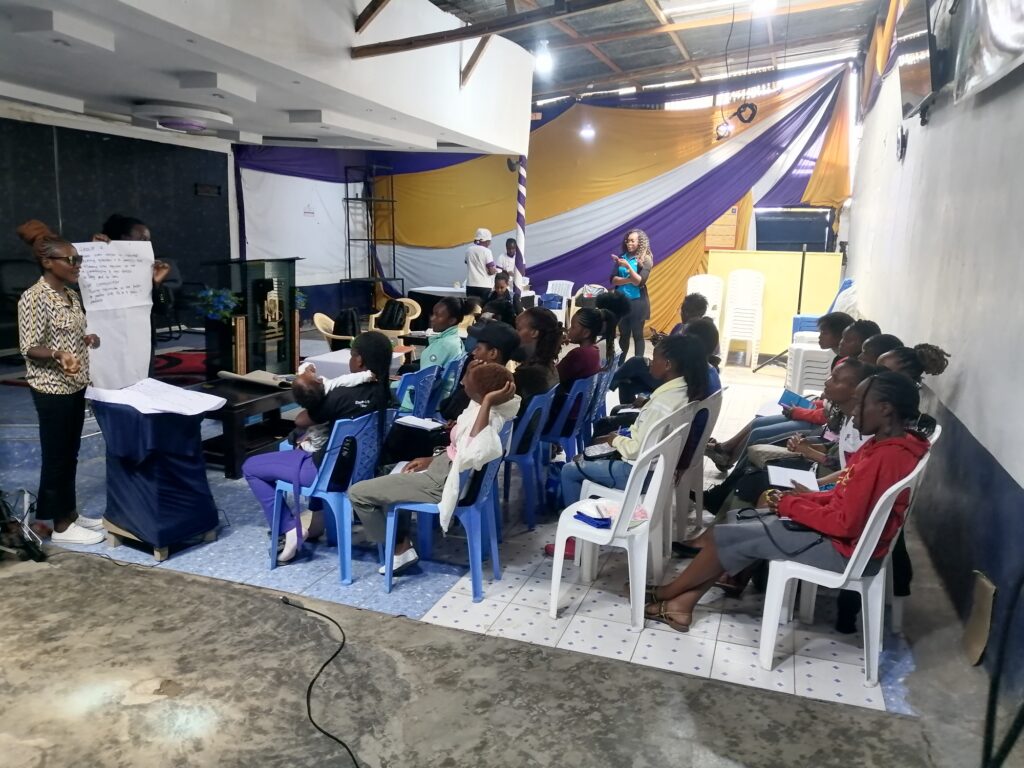
Youth peer educators provided information on drugs, adolescence, STD’s and HIV/AIDS.
Sisbro Foundation use Youth peer education (YPE) approach for promoting sexual and reproductive health (SRH) and preventing HIV. Peer Educators train the youth on SRHR, Entrepreneurship and also refer youth to health facilities to receive srh services. Exposure to YPE programs supported by peer educators help in SRH risk-reduction behaviors, appropriate referrals, and use of SRH services by highly vulnerable youth.
The major goal of peer education is to equip young people with basic but comprehensive sexual and reproductive health information and skills vital to engage in healthy behaviours. Several areas of adolescent and youth reproductive health such as STIs (including HIV and its progress to full-blown AIDS), life skills, gender, vulnerabilities and peer counselling could be addressed in peer education.
A good peer educator should have the following qualities.
- Ability to help young people identify their concerns and seek solutions through mutual
sharing of information and experience. - Ability to inspire young people to adopt health seeking behaviors by sharing common
experiences, weaknesses, and strengths. - Become a role model; a peer educator should demonstrate behaviors that promote risk
reduction within the community in addition to informing about risk reduction practices. - Understand and relate to the emotions, feelings, thoughts and “language” of young
people.
Send your application to recruitment@sisbrozion.org